
How to tell whether a fence needs repair or replacement
A damaged fence does not always need to come down, but its visible condition is only part of the picture. Look at whether the problem is limited to one area or repeated along the boundary, and whether the posts still feel stable. For fence repairs Adelaide homeowners are considering, a site assessment can help distinguish a contained fault from more widespread deterioration.
Signs that a targeted repair may be enough
A repair may be suitable when the fence is generally sound and the damage is confined to a few parts. Check for issues such as:
One or two loose or broken panels or palings.
A damaged rail in an otherwise straight section.
A gate that no longer closes properly because of a hinge or latch issue.
Localised storm damage while the surrounding fence remains stable.
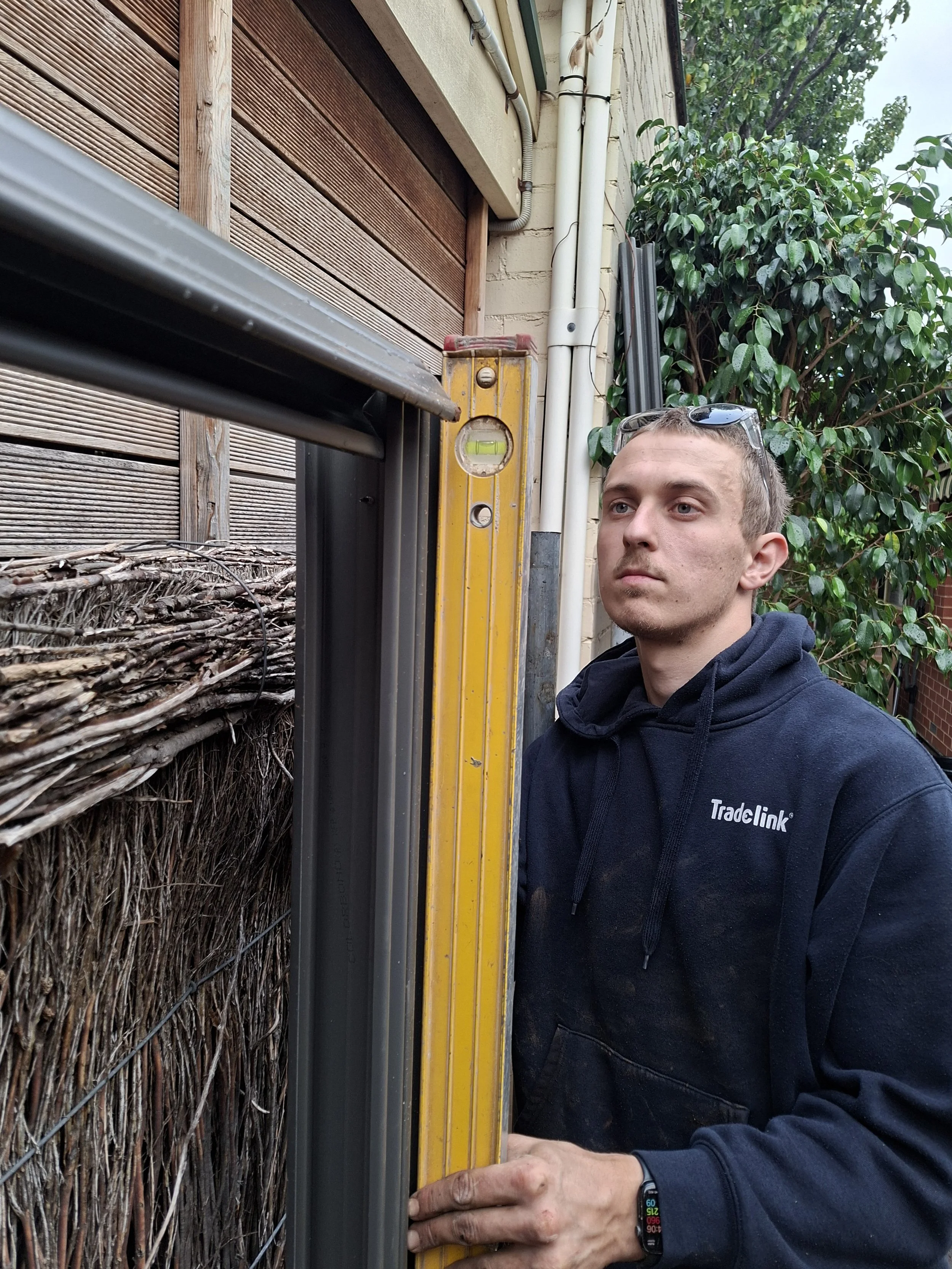
Poorly installed footings can result in your fence leaning or falling over. This will almost always require replacing damaged fence posts.
If the rest of the structure is in reasonable condition, replacing only the affected parts may be worth discussing. A fence repair can address a local problem without assuming that every section needs the same work.
Damage that can point to broader structural problems
Several leaning sections, loose posts or damage that keeps appearing in different places may indicate that the problem extends beyond the panels. Rot at the base of multiple posts, or a run that moves when it is exposed to wind, also deserves closer inspection. In those cases, replacing visible boards alone may not deal with what is making the fence unstable.
How fence age and condition affect the decision
Age can offer context, but it does not decide the job by itself. A well-kept older fence may need only a limited repair, while a newer fence can still have substantial damage. Consider the overall condition, the amount of sound material that can remain, and whether any repair would leave the fence uneven or mismatched.
Common fence damage and repair options in Adelaide
Fences can fail in different ways, and the right scope depends on the material and what remains secure. A timber fence may have broken palings or rails, while other fence types can have different damaged components. TJR Construction provides fencing repairs and maintenance services; its fencing and gates services page outlines its fencing work.
Fixing loose or broken panels, rails and palings
When damage is localised, a contractor can assess whether affected panels, rails or palings can be repaired or need replacement. Matching the existing material and finish can matter, particularly if only one part of a visible run is being changed. For timber fence repairs, the condition of the adjoining timber also helps determine whether a small repair is likely to hold up alongside the older sections.
Addressing leaning posts and unstable sections
A leaning section may need more than a panel adjustment if the post itself is loose, damaged or no longer supporting the fence. The contractor can assess how far the instability extends and whether nearby sections are affected too. If posts and rails remain sound, a more limited repair may be possible; if several supports are compromised, broader work may be needed.
Repairing gates, hinges and latches
A gate that drags, swings unevenly or does not latch can be a separate issue from damage to the fence line. The frame, hinges and latch all need to be considered together, since movement in one part can affect how the others meet. An assessment can clarify whether the gate hardware needs attention or whether the supporting post or frame is also part of the problem.
When replacing the fence may be the better option
A full replacement may make more sense when damage is widespread or the fence has become unstable across much of its length. It can also be worth considering if repairs would leave a patchwork of materials or if faults keep returning. The decision is about the condition and scope of the work, rather than age alone.
Widespread rot, rust or recurring damage
Rot or rust across multiple sections can reduce the amount of sound material available to retain. If the same areas keep failing after separate repairs, it is useful to look at the whole fence and its supports rather than treating each fault in isolation. A contractor can assess whether repairs would address the underlying condition or whether replacement is the more practical scope to quote.
Comparing repair costs with the value of a new fence
Compare the work involved in each option, not just the immediate repair list. A quote for repairs may cover only the damaged areas, while a replacement quote may include dismantling and disposal as well as the new fence. Asking for the scope of each option in writing helps you compare what would be done and what material would remain afterward.
Choosing between timber, Colorbond and Good Neighbour fencing
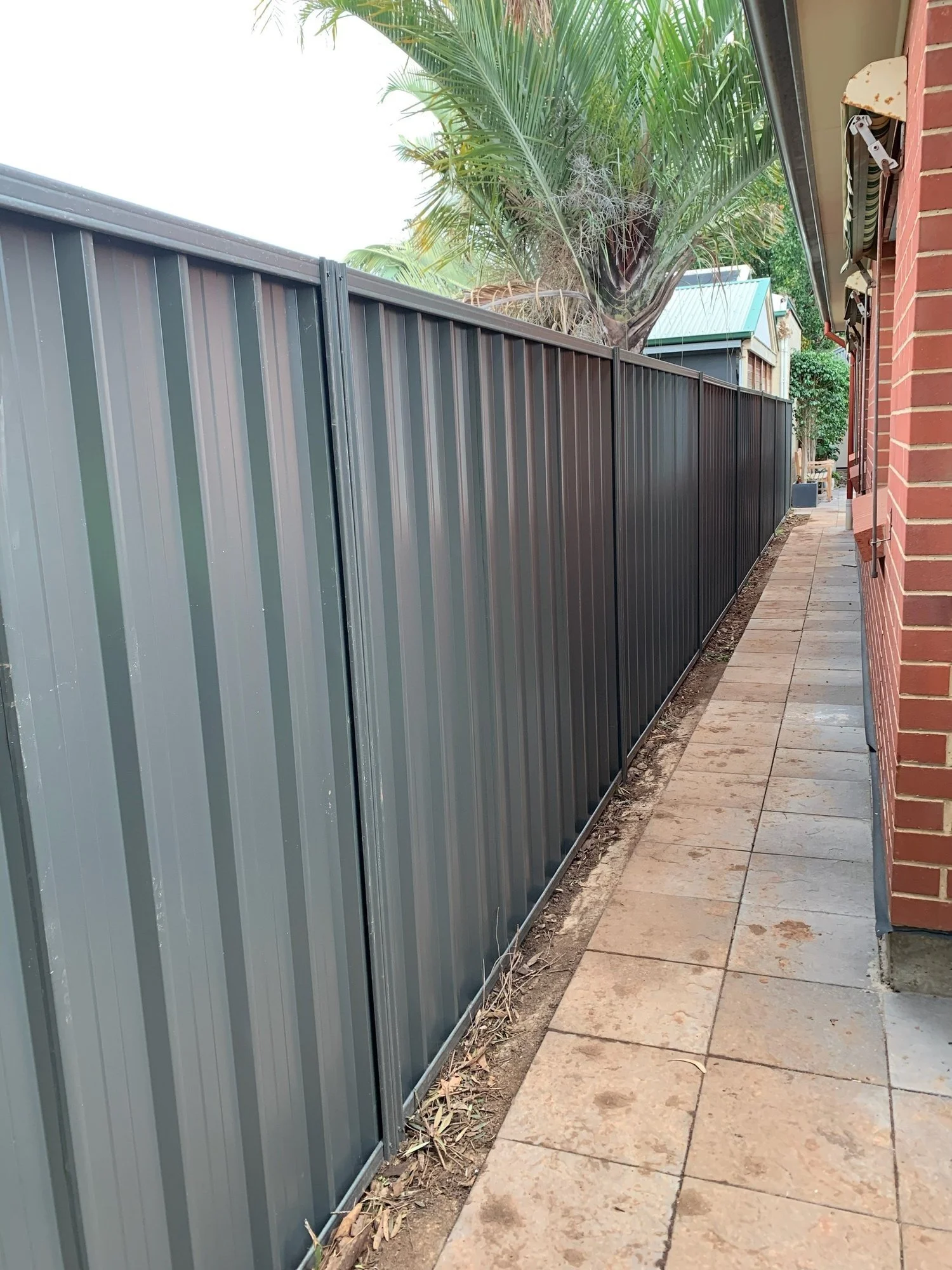
Choosing a new fence over repairing an old and worn down fence can increase your home’s value significantly.
Your choice can depend on the existing fence, the look you want and the requirements of the boundary. TJR Construction lists timber fencing installation and repairs, Colorbond fencing installation, and Good Neighbour fencing among its services. For a new Colorbond fence, you can read about Colorbond fencing; Colorbond fence repairs are a separate question to discuss in light of the damaged fence and the work required.
What shapes a fence repair or replacement quote
A quote reflects the actual fence and the work needed at the property, not just a description of the visible damage. The length and height, fence type and access all affect what a contractor needs to assess. The amount of sound material and whether the fence needs stabilising also shape the proposed scope.
Fence length, height, material and access
The measured length and height help define how much fencing is involved, while the material affects the type of work and any matching considerations. Access can influence how materials and equipment reach the boundary. A sloping site may also affect how the fence follows the ground, so it is useful to flag any changes in level when arranging an assessment.
The extent of damage and work needed to stabilise the fence
A quote may differ depending on whether damage is confined to a few panels or extends to posts and adjoining sections. The contractor needs to establish what can remain and what needs attention to make the repaired or replaced section stable. When describing the job, mention visible movement, leaning, rot or storm damage rather than focusing only on the most obvious broken panel.
Removal, disposal and installation requirements
If the fence is being replaced, the scope can include dismantling and disposing of old material before the new fence is built. TJR Construction lists fence removal and replacement services, including dismantling and disposal of old fencing materials before a new fence is built. Confirm whether removal, disposal and installation are included in the quote so you can compare the full scope rather than only the new materials.
What to know before arranging fence work with a neighbour
If a fence sits on a shared boundary, speak with your neighbour before arranging work that affects it. South Australian rules cover consent, notice and how objections are handled, and the process can depend on whether repairs are urgent. The following is general information, not legal advice; check the official guidance for your circumstances.
Getting consent and giving notice in South Australia
SA.GOV.AU says you must get the neighbouring landowner’s consent to remove, repair or maintain an existing fence, build a new fence, or enter their property to work on the fence. Notices can be delivered personally or by registered post. The SA.GOV.AU boundaries and fences guidance explains the process, including the neighbour’s 30 days to give a cross-notice if they object; work cannot start until that period has passed or they consent in writing.
Understanding shared costs and written agreements
The Legal Services Commission of SA says fencing costs are usually shared equally, but another arrangement can be agreed. A neighbour does not have to contribute unless they have agreed, the proper procedure has been followed, or a court orders it. The Legal Services Commission of SA recommends trying mediation first; keeping any agreed scope and cost-sharing arrangement in writing can help both neighbours understand what was decided.
Handling objections and urgent repairs
If your neighbour objects, pause and follow the relevant notice process before work begins. The guidance says urgent repairs do not need written notice, though you should give as much notice as possible. If there is disagreement about the work or contribution, consider discussion or mediation before taking further steps.
How to arrange a fence quote in Adelaide
A useful quote starts with a clear account of the damage and the outcome you are considering. Photos and a few measurements can help explain the job, but they do not replace a site discussion where access, slope, posts and adjoining sections can be considered. TJR Construction prepares a custom quote after making contact and arranging a time to discuss the job.
Preparing photos, measurements and details about the damage
Take photos of the affected area and a wider view of the full fence run, if you can do so from your property. Note the approximate length and height, the fence material, and whether posts or gates are leaning or loose. Mention when you noticed the damage and whether it followed a storm, so the contractor has useful context before discussing the work.
Comparing the scope of work and materials in quotes
Look at what each quote includes: which sections are to be repaired or replaced, what material is proposed, and whether removal and disposal are part of the scope. If you are weighing repair against fence replacement, ask for the options to be described clearly enough to compare. A general online estimate may not reflect the materials and labour a particular fence needs, which is why TJR Construction quotes per site rather than treating a broad figure as a tailored quote.
Booking a site discussion for a tailored quote
When you are ready, share the location, the type of fence and what you have noticed. A site discussion can clarify the scope and any practical details that photos cannot show. You can request a quote to begin the process and arrange a time to discuss the job.
Request a Fence Quote
If your fence needs repair or replacement, request a quote from TJR Construction to discuss the job and arrange a site conversation about a tailored scope.
