
Key Takeaways
A clear scope and a look at the site help you understand what a small-structure removal involves. Before requesting a quote, gather details about the structure, services, access and what you want left behind.
Confirm whether the work includes dismantling or demolition, concrete and site clearing.
Check boundaries, nearby structures, overhead obstructions and council requirements.
Arrange utility disconnections and confirm who will check services are safe.
Compare quotes by scope, materials, access and waste handling—not by a general estimate alone.
Share site details so the quote can reflect the actual job.
Confirm what the removal job includes
For shed and garage removal Adelaide homeowners should first confirm exactly what they want removed and what should remain. A shed, garage, pergola or carport can involve more than taking down the visible structure. A clear scope helps everyone discuss the same job before work starts.
Compare full demolition with dismantling for reuse
Demolition and dismantling for reuse are different aims, so explain yours when describing the job. If you want materials kept for possible reuse, raise that before the scope is agreed; if the structure is simply to be removed, say so. TJR Construction lists shed demolition among its demolition services, along with garage demolition and small structure demolitions.
Check whether the scope covers the slab, footings and other concrete
A structure may sit on a slab or have other concrete elements that you also want removed. Ask whether these are included, rather than assuming removal of the shed or garage includes its base. TJR Construction lists concrete removal and slab demolition as demolition services, so make the intended extent of concrete work clear when discussing the job.
Include attached structures, fencing or gates that may be affected
A pergola may connect to another structure, while a carport can sit close to fencing or a gate. Point out anything attached or near the proposed work area and clarify whether it is part of the requested removal or something to protect. This avoids leaving an important boundary of the job unstated.
Clarify whether site clearing and preparation are required
Once the structure is gone, you may want the area left in a particular state. Discuss whether the requested work includes site clearing or preparation, and what you expect to remain. TJR Construction lists site clearing and preparation among its demolition services; agree on the intended scope rather than relying on a general assumption.
Check the site before work starts
A site check helps reveal details that are hard to judge from a short description. Walk through the area with the job in mind, noting the property boundary, nearby buildings and the path to the structure. Photos can help explain what you see, but they do not replace a discussion when a detail is uncertain.
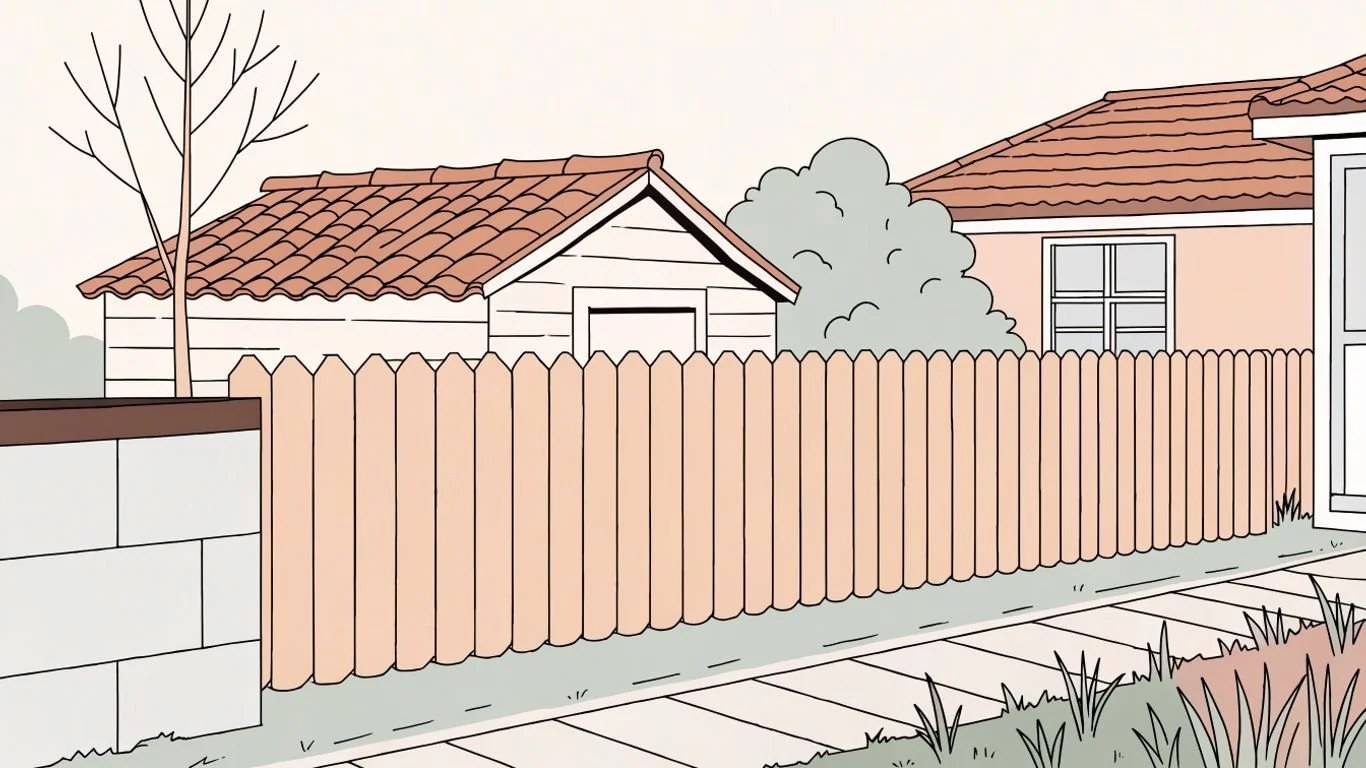
Identify property boundaries and nearby structures
Check where the structure sits in relation to fences, neighboring property and other buildings. Note anything close enough to be affected or that may need to remain undisturbed. If boundaries are unclear, raise that before the scope is settled instead of treating a fence line as certain.
Look for overhead lines, trees and other potential obstructions
Overhead lines, branches and roof overhangs can affect how workers or equipment reach a structure. Point out visible obstructions and anything that limits movement above or around the work area. Avoid assuming that a clear path at ground level means the site is unobstructed.
Check whether council or other approvals may be needed
Approval requirements depend on the circumstances, so check with PlanSA or your council rather than assuming approval is or is not required. This is worth doing early, while you are still defining the proposed work. Keep any guidance you receive available when discussing the scope.
Plan how people and vehicles will stay clear of the work area
Think about how people use the yard, driveway and entrances near the structure. Let others at the property know which areas need to remain clear, and discuss how access for workers and removal vehicles could affect normal movement. A clear work area is part of planning the job, not just a convenience on the day.
Arrange utility disconnections and safety checks
Electricity, gas and water services can affect how demolition is planned. Identify any lines connected to the structure and discuss who will coordinate disconnection or control before work begins. SafeWork SA’s SafeWork SA Demolition Work Code of Practice says services not needed for the work should be shut off, capped or controlled, and the utility notified in advance.
Locate electricity, gas and water services
Look for known connections to the shed, garage or other outbuilding, including services that may not be obvious from outside. Share what you know with the people arranging the work and flag anything uncertain. Do not treat an unseen connection as absent simply because it is not immediately visible.
Arrange to have services not needed for the work shut off, capped or controlled
Services not needed for the work should be shut off, capped or controlled before demolition starts, as the code advises. Clarify the arrangements with the relevant people rather than attempting service work yourself. That way, the scope and preparations can account for the connections that are actually present.
Notify the relevant utility providers in advance
The code also advises notifying the utility in advance when a service is to be shut off or controlled. Confirm who will make that contact and whether each provider has been included in the plan. Sorting out responsibility early helps avoid a last-minute uncertainty about a connected service.
Ask who is responsible for confirming services are safe before demolition
Do not leave responsibility for a safety check vague. Ask who will confirm the services are safe before demolition and how that confirmation fits into the agreed job arrangements. If there is uncertainty about a connection or its status, raise it before work starts.
Understand what shapes a removal quote
A quote for small demolition depends on the details of the structure and the conditions at the property. TJR Construction notes that demolition cost depends on building size, materials, accessibility and waste removal requirements. These factors explain why two sheds that look similar in a photo may still call for different scopes.
Consider the structure’s size and construction materials
The dimensions and construction materials help describe what is being removed. Tell the quoting team whether the job is a shed demolition, garage demolition, pergola removal or another small structure, and share what you know about its construction. These details help define the work without relying on a broad label alone.
Assess access for workers, machinery and waste collection
Access can shape how a job is planned. A narrow passage, tight turn, uneven route or limited vehicle access may affect how workers, machinery and waste collection can reach the structure. Describe the route from the street to the work area, including any gates or obstacles.
Account for the amount and type of material to be removed
The amount of material and how it will be handled are part of the scope. Ask whether removal and waste handling are included, and mention any materials that may need separate assessment. The clearer the information, the easier it is to compare what each quote actually covers.
Confirm whether slab demolition, concrete removal or site preparation is included
Concrete work and clearing can change what the job includes, so check these items separately. The table below gives a useful way to organize the details you can share and the reason each matters.
| Quote factor | Why it matters |
|---|---|
| Structure size | Describes the scale of the removal work |
| Construction materials | Helps define what is being taken down and removed |
| Site accessibility | Affects access for workers, machinery and collection vehicles |
| Waste requirements | Clarifies what material must be handled and removed |
| Concrete and preparation | Shows whether slab work, concrete removal or site clearing is included |
Use these factors as prompts when you review a quote, not as a substitute for a defined scope. If slab demolition or site preparation matters to you, make sure it is stated clearly rather than inferred from the word “removal.”
Plan for materials, waste and site access
The work area, materials and waste arrangements all affect how a removal job is discussed. Before committing to a scope, explain what you would like to keep, what should be removed and what access is available. This gives the quote discussion a practical basis.
Ask how reusable materials and demolition waste will be handled
If you hope to retain any materials, point them out and ask whether that can be included in the agreed approach. Also clarify what happens to demolition waste and whether waste removal is part of the quote. Don’t assume that dismantling for reuse and ordinary removal mean the same thing.
Check whether hazardous or difficult-to-handle materials need separate assessment
If you notice material that seems unusual, damaged or difficult to handle, mention it when arranging the discussion. Do not assume it is covered by a general removal scope; ask whether it needs separate assessment. Keeping this point general is sensible until the material and requirements have been properly considered.
Keep access routes clear for equipment and removal vehicles
Describe the route into the yard and note any gates, parked vehicles or stored items that could restrict access. Before the work, coordinate with people using the property so the agreed route can be kept clear. A practical access plan makes it easier to discuss the site accurately.
Discuss how the site will be left once the work is complete
“Removed” can mean different things to different homeowners. Say whether you expect the slab or other concrete to remain, whether loose material should be cleared, and whether site preparation is wanted. TJR Construction lists site clearing and preparation, so state whether those services form part of the job you are asking it to quote.
Request and review a tailored Adelaide quote
A general estimate cannot account for everything at your property. The structure, access, services, concrete and waste requirements all help define the work, so a tailored quote needs useful site details. A short, organized description is a good starting point for a discussion.
Provide photos, dimensions and details about the structure
Share clear photos from more than one angle, approximate dimensions and what you know about the materials. Explain whether you are considering shed removal, garage removal, pergola removal, carport removal or another small demolition job. These details help make the request specific without pretending a photo answers every question.
Explain access constraints and any known service locations
Mention narrow access, gates, nearby structures and any known utility connections. If you do not know where a service runs, say that too. It is more useful to flag uncertainty than to imply that the site has been fully checked when it has not.
Compare quotes by scope, exclusions and waste removal requirements
Read each quote for the work included, exclusions and waste arrangements. Check whether it addresses the slab, footings, other concrete and site preparation if those matter to you. A like-for-like comparison starts with matching scopes, not just similar descriptions of the structure.
Arrange a site discussion if details are needed to price the job accurately
If photos and dimensions leave important questions open, arrange a discussion about the site. TJR Construction says that after someone requests a quote, the team makes contact, arranges a time to discuss the job and provides a custom quote. You can book a discussion to start that conversation and share what you know about the work.
To get a quote for the actual site, request a quote and include the structure, access, service and removal details you have gathered.
Frequently Asked Questions
These common questions cover the early decisions homeowners face when planning shed, garage and other small-structure removal. The right scope depends on the structure and the site, so confirm details rather than relying on assumptions.
What does shed and garage removal usually include?
It depends on the agreed scope. Confirm whether the request covers the structure only, concrete such as a slab, waste removal and any site clearing or preparation.
Should I choose demolition or dismantling for reuse?
That depends on your goal for the structure and materials. Explain whether you want it removed or hope to retain materials, then confirm what the agreed scope can cover.
Is the slab included when a shed or garage is removed?
Not necessarily. Ask directly whether slab demolition or concrete removal is included, and clarify whether other footings or concrete elements are part of the job.
Do I need council approval for a small demolition job?
Requirements depend on the circumstances. Check with PlanSA or your council; do not assume approval is or is not required.
What should happen to connected utilities before demolition?
Services not needed for the work should be shut off, capped or controlled before demolition starts, and the utility should be notified in advance. Confirm who is responsible for coordinating this and checking safety.
What information helps with a removal quote?
Provide photos, dimensions, details about the structure and materials, access constraints, known service locations, and what you want included or left behind. These details help describe the actual site.
Can a quote cover a pergola, carport or outbuilding?
Small structure demolitions can include carports, pergolas and outbuildings. Describe the structure and confirm the specific work, concrete and waste requirements you want included.
