How to spot damage in brick walls and fences
Brickwork can show wear in several ways, and a visible mark does not always explain what is happening behind it. Look at the mortar, the bricks and the wall’s position together rather than focusing on one crack alone. If you are considering brick wall repair in Adelaide, note what you can see and have a tradesperson assess concerns that may involve movement.
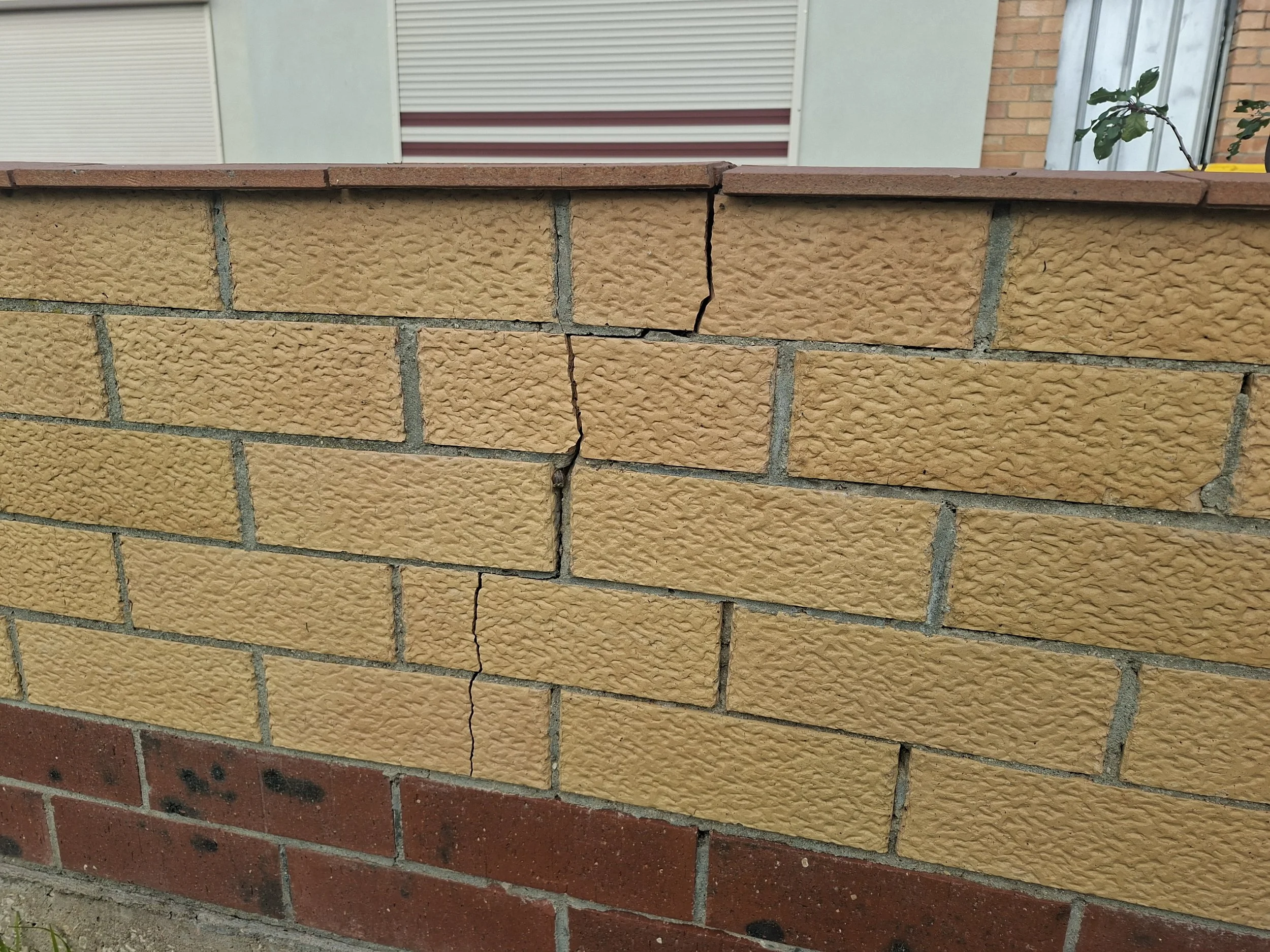
Damage to brick walls can occur as a result of physical impact (from vehicle collisions), poor footings, stress, or poor materials.
Cracks in mortar joints versus cracks through bricks
A crack running along a mortar joint looks different from one passing through a brick. Both are worth recording, particularly if the crack is changing or appears in more than one place. Photos can help show the pattern, but they do not establish the cause or the repair needed.
Rust stains, damp patches and deteriorating finishes
Rust stains on surrounding bricks, damp patches on an exterior wall and deteriorating painted stucco can all be signs that brickwork needs attention. Note where each mark appears and whether it is isolated or spread across a larger area. These observations help a tradesperson understand what to inspect without treating any single symptom as a diagnosis.
Signs a wall is shifting or separating from its footing
A wall that appears to lean or separate from its footing needs a tradesperson’s assessment. Do not try to determine the structural cause from its appearance. Keep clear of brickwork that looks unstable, and mention any visible change in the wall’s position when arranging an inspection.
When visible movement calls for prompt assessment
Movement deserves particular care because a photo or online description cannot confirm whether a wall is stable. If you see a fence or wall leaning, shifting, or pulling away from its footing, keep people clear of the area and contact a tradesperson to inspect it. Visible movement needs an in-person assessment, not a guess based on the crack alone.
What can cause brickwork to crack or deteriorate
Brickwork can deteriorate as mortar wears and the structure is exposed over time. Movement may also be associated with cracking, but the appearance of a particular wall cannot establish why it has happened. A careful assessment considers the building and the condition of the masonry before a repair is selected.
Wear in mortar joints and exposure over time
Mortar joints can become worn, leaving the brickwork looking tired or allowing gaps to become more noticeable. Exterior walls also face ongoing exposure, so deterioration may appear gradually rather than as one obvious event. A tradesperson can assess whether the joints need attention and whether repointing is suitable.
Movement around walls, fences and footings
Cracks and changes in alignment can appear in walls, fences and around footings, but they do not tell you the cause by themselves. If you notice a wall shifting or separating from its footing, ask a tradesperson to inspect it rather than trying to diagnose the movement. Keep clear of any brickwork that appears unstable.
Why the age and style of a building matter
The age and style of a building help inform decisions about mortar and pointing. For example, a quote may take account of whether cement-based or lime mortar is appropriate to the building. The existing work matters too, so a repair can be considered in relation to the surrounding brickwork rather than as a generic patch.
How to document damage before requesting an assessment
A few clear details can make it easier to explain what you have noticed. Before arranging an assessment, record observations such as:
Where the crack, stain, damp patch or damaged finish appears.
Whether the mark follows a mortar joint or passes through a brick.
Whether the wall looks to be leaning or separating from its footing.
These notes describe what is visible without making assumptions about the cause. Share them with the tradesperson and keep clear of any section that appears unstable.
Repointing, brick replacement and other repair options
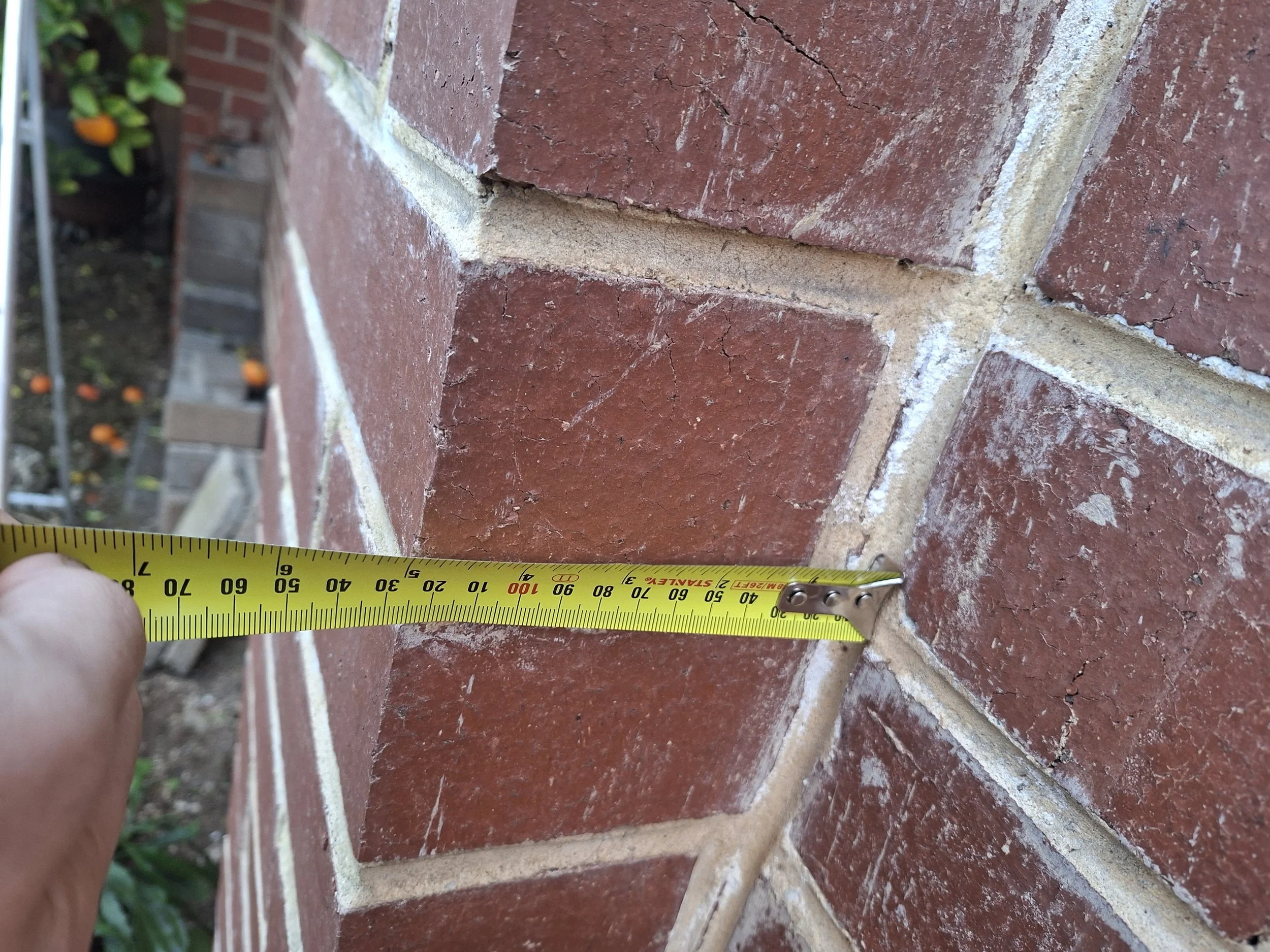
When choosing to repair damaged portions of your brick fence, make sure you consult with an expert to identify the size and type of brick and mortar suited for the job.
The right repair depends on the condition of the bricks and mortar, and on the extent of the damage. Options may include repointing, replacing damaged bricks or replacing a larger section of brickwork. An inspection helps establish which approach fits the work in front of you.
What repointing involves and when it may be suitable
Repointing means removing worn mortar and replacing it with new mortar. It may be considered when the mortar joints have deteriorated but the surrounding brickwork remains suitable to retain. A tradesperson can assess the joints and explain whether repointing addresses the visible problem.
Choosing mortar to suit the existing brickwork
Mortar selection needs to take account of the building’s age and style, as well as the existing masonry. Cement-based and lime mortars are among the types considered for this work. The aim is to choose mortar that suits the brickwork rather than treating every wall as though it were built the same way.
Replacing damaged bricks while matching the surrounding work
Where individual bricks are damaged, replacement may be an option. Matching the surrounding work can involve sourcing bricks to blend with the existing home or structure. TJR Construction lists replacing damaged bricks and sourcing and matching bricks among its brickwork services; the suitability of replacement depends on the site and the condition of the masonry.
When extensive damage may require replacing brickwork
If damage extends beyond a small number of bricks or joints, a tradesperson may find that replacing brickwork needs to be considered. The extent of the affected area and the condition of the surrounding masonry both matter. An assessment can clarify whether a local repair is suitable or whether more extensive work should be discussed.
Repair considerations for walls, fences and retaining walls
A repair can involve different considerations depending on whether the brickwork is part of a house, a fence or a retaining wall. Its location and condition help shape what needs to be inspected and how the work can be approached. If you have concerns about movement, leave the assessment to a tradesperson and keep clear of brickwork that looks unstable.
How the type and location of the structure affect the work
The structure’s purpose and location can affect the repair being considered. A damaged section on a house wall is not the same setting as a fence or retaining wall, and the visible condition of each needs to be assessed in context. Tell the tradesperson what part of the property is affected and describe any changes you have noticed.
Assessing structural issues in a brick fence or retaining wall
A leaning fence or a retaining wall with visible damage should be inspected by a tradesperson. You should not try to diagnose the structural issue from the appearance of the bricks. Keep people clear of brickwork that looks unstable while you arrange an assessment.
Access challenges around damaged sections
The location of the damaged area can affect how a tradesperson reaches it. Higher sections may require scaffolding, while other parts of a wall or fence may be difficult to approach because of nearby features. Mention access restrictions when requesting an assessment so they can be considered as part of the job.
Explore TJR Construction Adelaide’s bricklaying and repair services
TJR Construction Adelaide lists brickwork repairs for existing homes and structures, brick repointing and repairs, damaged brick replacement, and repairs to structural issues with brick fences and retaining walls. The page also describes sourcing and matching bricks to blend with an existing home or structure. You can review the listed services when considering what kind of brickwork repair to discuss.
What shapes a brick wall repair quote in Adelaide
A quote reflects the specific work a tradesperson assesses at your property. The amount of masonry involved, the state of the brickwork and the repair approach all help define the job. The details below are useful to discuss when arranging an assessment.
The size of the job and condition of the masonry
The size of the affected area and the condition of the masonry are central considerations. A small area of worn joints is different from extensive damage that may require replacing brickwork. The tradesperson needs to assess the site to understand the scope rather than infer it from a short description.
Mortar type, pointing style and the building’s character
The quote may reflect the mortar type and pointing style, along with the age and style of the building. Cement-based or lime mortar may be considered according to the existing work, and the pointing style also affects what is involved. These details can be discussed as part of the repair assessment.
Scaffolding and access to higher or difficult areas
Reaching higher sections can affect the work, including whether scaffolding is needed. Access around fences, walls and other parts of the property can also influence how the damaged area is approached. Point out any access limitations so they can be considered when the job is assessed.
How the tradesperson’s experience relates to the repair
A quote may also take account of the experience needed for the repair being considered. The relevant work depends on the condition of the brickwork, the mortar and the repair method under discussion. Ask the tradesperson to explain how the proposed work relates to the damage they have inspected.
How to prepare for a repair assessment and quote
Clear information helps you describe the damage and discuss the work at your property. Photos can show where the issue appears, while notes about access and visible movement provide useful context. Keep your description factual; an inspection is needed to assess the repair itself.
Share photos and describe where damage appears
Take photos that show both the damaged area and its position within the wall or fence. Describe whether you can see cracks in mortar joints, cracks through bricks, rust stains, damp patches or deterioration to a finish. A tradesperson can use those details to understand what you are concerned about, then inspect the masonry in person.
Identify access needs and any signs of ongoing movement
Mention any difficult access, including higher areas or sections blocked by nearby features. Also describe visible changes such as a wall leaning or separating from its footing. Do not attempt to diagnose the cause, and keep clear of brickwork that appears unstable.
Discuss repair options and brick or mortar matching
Ask which repair options may suit the condition of the masonry, including repointing or replacing damaged bricks. You can also discuss mortar type, pointing style and whether bricks can be sourced and matched to blend with the existing structure. If you would like to arrange a discussion, book a consultation and share the details of the work you need assessed.
Request a custom quote from TJR Construction Adelaide
When you request a quote, TJR Construction Adelaide makes contact, arranges a time to discuss the job and provides a custom quote. Share what you have noticed and any access details so the discussion can focus on your brickwork. To take the next step, request a quote for your repair assessment.