
Key Takeaways
Repointing renews the mortar between bricks, but the right repair depends on what is happening across the wall. A site-specific assessment can clarify the work involved.
Repointing removes worn mortar and replaces it with new mortar suited to the masonry.
Crumbling joints, rust stains and damp patches are signs worth noting, not diagnoses on their own.
A shifting wall or one separating from its footing needs a tradesperson’s inspection.
The quote can reflect job size, masonry condition, mortar, pointing style and access.
A general online estimate may not show the materials and labour needed for a particular wall.
What brick repointing involves
Brick repointing Adelaide homeowners consider is the process of removing worn mortar from the joints and replacing it with new mortar. It can be part of brick repair when the mortar has deteriorated, while damaged bricks may call for a different repair. The condition and type of masonry help determine what work is appropriate. TJR Construction lists repointing among its brick repair services, alongside replacing damaged bricks and repairing brick fences and retaining walls.
Removing worn mortar from the joints
Mortar fills the spaces between bricks and helps hold the brickwork together. When it wears away, cracks or crumbling joints can become visible, but the appearance alone does not establish the full condition of the wall. Repointing involves removing the worn mortar from those joints before new mortar is put in. The work is focused on the joints rather than automatically replacing the surrounding bricks.
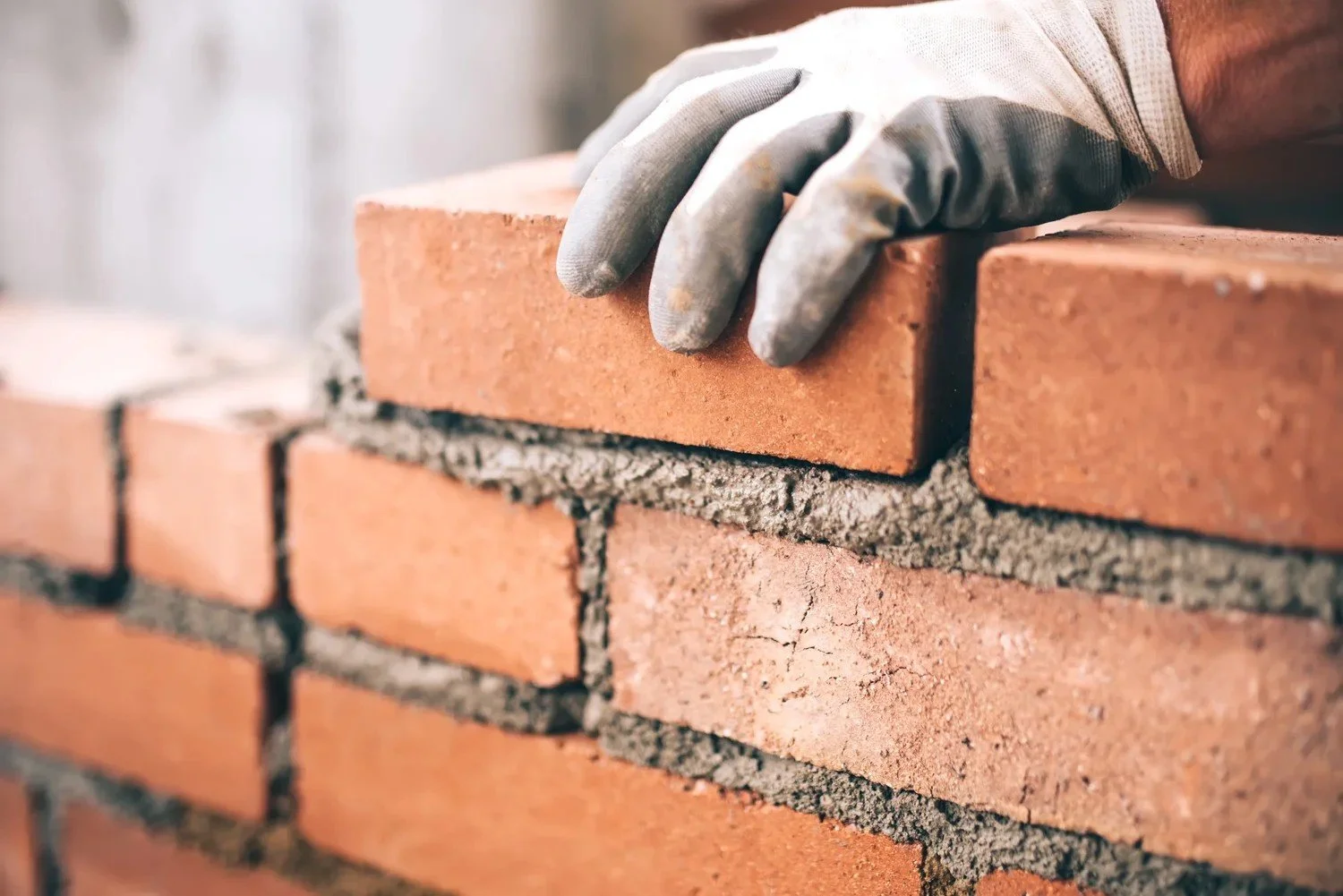
Mortar joints hold brickwork together, and they wear over time.
Replacing it with mortar suited to the masonry
The replacement mortar needs to be considered in relation to the masonry and the building. Cement-based and lime mortars are among the types that may be considered, with the choice guided by the building’s age and style. The pointing style—the finish of the mortar in the joint—is another part of the repair decision. A considered material match helps keep the repair aligned with the existing brickwork rather than treating every wall as the same job.
How repointing differs from replacing bricks
Repointing renews mortar; it does not mean that the bricks themselves are replaced. If individual bricks are damaged, replacing them may be considered alongside mortar repair. Extensive damage may call for replacing more of the brickwork, rather than repointing alone. TJR Construction also lists brick replacement and brick fence repair among its bricklaying services; its bricklaying and brick repair in Adelaide page describes those services.
Signs your brickwork may need attention
Brickwork can show wear in several ways, and one visible sign does not necessarily explain what is causing it. Cracks in mortar joints, rust stains on surrounding bricks and damp patches on an exterior wall are among the signs to notice. Deteriorating painted stucco and a wall shifting or separating from its footing also warrant attention. These observations can help guide a discussion with a tradesperson, without diagnosing the issue from appearance alone.
Cracks or crumbling in the mortar joints
Look for cracks or mortar that appears to be breaking down between the bricks. A small area and a recurring pattern across a wall may call for different scopes of repair, so note where the damage appears and whether it seems to extend across the masonry. A closer assessment can help establish whether the repair concerns the mortar, the bricks or both.
Rust stains, damp patches or deteriorating painted stucco
Some signs appear around the brickwork rather than as a visibly open joint. Rust stains on surrounding bricks, damp patches on an exterior brick wall and deterioration in painted stucco are all reasons to pay attention. The table groups these observations with questions to discuss; it is not a way to identify a cause.
| Visible sign | What it may point to | Useful detail to share |
|---|---|---|
| Cracks or crumbling in mortar joints | Mortar that may need assessment | Where it appears and whether it recurs |
| Rust stains on surrounding bricks | Brickwork showing a visible change | Which bricks or areas are affected |
| Damp patches on an exterior brick wall | A condition that needs closer assessment | The location of the patches |
| Deteriorating painted stucco | A surface change near the masonry | Which sections are deteriorating |
Share what you can see, rather than assuming the sign identifies a specific fault. A tradesperson can assess the wall and consider the repair scope in context.
A wall shifting or separating from its footing
A wall that appears to be shifting or separating from its footing is different from an isolated patch of worn mortar. It needs to be inspected by a tradesperson, who can assess the visible signs and determine what further attention may be needed. We should not diagnose a structural problem from a description or photograph alone. When requesting an assessment, point out where the separation appears and what you have noticed about the wall.
How to assess the condition of the masonry
Start by looking at the wall as a whole, rather than focusing on a single crack or discoloured patch. Note whether the signs appear in one area or recur across the brickwork, and whether the visible damage is in mortar, bricks or both. These details can help a tradesperson understand what you are seeing. If the wall appears to move or separate from its footing, arrange a closer inspection rather than drawing conclusions yourself.
Look across the wall for recurring or spreading damage
A wider view can put a single visible mark in context. Note whether similar cracks or worn joints occur elsewhere, whether the affected area seems to be expanding, and where damp patches or stains are located. You do not need to identify a cause; a clear description of the pattern is useful when discussing brick wall repair. Keep the account to what is visible and avoid assuming that one sign explains another.
Consider whether the problem affects mortar, bricks or both
Mortar damage and brick damage are not the same repair. Worn joints may lead to a discussion about repointing, while damaged bricks may need replacing; in some cases, both may be considered. When speaking with a tradesperson, it can help to separate the visible signs into a few straightforward observations:
Which joints look cracked or crumbly.
Whether any bricks appear damaged.
Where stains, damp patches or deteriorating stucco are visible.
Whether the affected area seems isolated or repeated across the wall.
These notes help describe the masonry without committing to a repair before it has been assessed. A tradesperson can consider the condition and explain whether mortar repair, brick replacement or a broader scope should be discussed.
Know when movement calls for a closer inspection
A wall shifting or separating from its footing calls for an in-person inspection by a tradesperson. That sign cannot be assessed reliably through a generic estimate, and it should not be treated as proof of a particular structural issue. Tell the tradesperson what has changed and where the separation is visible. They can inspect the masonry and advise on the work that may be required.
What shapes a brick repointing quote
A quote for repointing Adelaide brickwork depends on the site and the scope of the repair, not just the visible area of mortar. The size of the job and the condition of the masonry affect what needs to be considered. Mortar type, pointing style and access to higher areas can also shape the work. Looking at these factors together helps explain why a site-specific quote can differ from a quick general estimate.
Job size, masonry condition and the extent of repairs
The amount of affected brickwork is one part of the picture, but it is not the only one. The condition of the masonry and whether the repair includes mortar, damaged bricks or both can change the proposed scope. Extensive damage may mean replacing brickwork instead of relying on repointing alone. A quote is clearer when it explains which areas are included and what type of repair is being considered.
Mortar type and pointing style
The type of mortar and the pointing style both influence how a repointing job is approached. Cement-based or lime mortar may be considered according to the age and style of the building, while the pointing style concerns the finish of the mortar in the joints. Those choices relate to the masonry itself, so a generic description of a wall may not provide enough detail to set out the work. Discussing them as part of the scope can help make the proposed approach easier to understand.
Scaffolding and access to higher areas
Higher sections of a wall may need scaffolding to be reached. Access can therefore affect the practical requirements of the job, in addition to the amount of brickwork being repaired. Let the tradesperson know about visible access constraints when arranging a discussion. The site assessment can then account for how the affected area will be reached.
The tradesperson’s experience
Experience is one of the factors that may shape a quote, alongside the site and repair scope. When reviewing a proposal, focus on whether it describes the areas to be repaired, the materials being considered and any access requirements. If part of the work is unclear, ask for the scope to be explained before arranging the repair. That gives you a more useful basis for comparing what has actually been proposed.
Choosing the right repair approach
The repair should respond to the condition of the masonry, rather than treating every sign as a repointing job. Mortar may need renewal, individual bricks may need replacing, or extensive damage may lead to a wider brickwork replacement. A tradesperson’s assessment can help distinguish between those possibilities. For brick fence repair or other masonry, the same principle applies: confirm what is affected before deciding the scope.
Match mortar to the building’s age and style
Mortar selection should take account of the building’s age and style. Cement-based and lime mortar are both options that may be considered, but the appropriate choice depends on the masonry rather than a general rule for every wall. Pointing style also affects the finished joint. Discussing these choices with the tradesperson helps make sure the proposal reflects the particular building.
Source and match bricks when replacements are needed
Where bricks are damaged, replacement may be considered instead of, or alongside, mortar repair. Matching the replacement brick to the existing masonry is part of the repair conversation. TJR Construction says it can source and match bricks for repairs, as part of its brick repair service. The extent and location of any damaged bricks can help clarify what should be included in the proposed work.
Consider brick replacement when damage is extensive
Repointing is not necessarily the right response where damage affects a larger portion of the brickwork. Extensive damage may mean that brickwork needs replacing, and the scope should reflect what an inspection finds. A clear assessment helps distinguish a local mortar repair from a broader replacement. This is another reason to avoid deciding on a repair based on a single photo or a quick description.
Getting a brick repointing quote in Adelaide
For brick repointing in Adelaide, sharing the location and visible condition of the wall is a practical starting point. A general estimate may not reflect the materials and labour a particular site needs, because the scope depends on the masonry, repair extent and access. TJR Construction works across metropolitan Adelaide and provides a custom quote after making contact and arranging a time to discuss the job. If you prefer to begin by discussing the job, share the details you have and ask what information would help with the next step.
Share the location and details of the affected brickwork
When you get in touch, describe where the brickwork is and whether it is a house wall, fence or retaining wall. Note the signs you can see, such as crumbling joints, damp patches, rust stains or damaged bricks. You can also say if the issue appears in one place or across several areas. Clear observations help establish what needs to be discussed, though they do not replace an inspection where one is needed.
Discuss access, visible damage and the work required
Explain whether the affected area is high up or otherwise difficult to reach, and mention any visible movement or separation from the footing. Ask whether the proposed scope concerns repointing, brick replacement or both. TJR Construction’s process is to make contact, arrange a time to discuss the job and provide a custom quote. That conversation can take account of the site details rather than relying only on a general online figure.
Review the proposed scope before arranging the repair
Before arranging work, check that the proposal describes the areas involved, the repair being considered and any access requirements. Ask about mortar type and pointing style if they are relevant to the scope. If the wall appears to be shifting or separating, make sure that sign is discussed with the tradesperson who inspects it. To begin, request a quote and share the details of the affected brickwork.
Frequently Asked Questions
What is brick repointing?
Brick repointing means removing worn mortar from the joints between bricks and replacing it with new mortar. It addresses the mortar joints, not automatically the bricks themselves.
What are common signs that brickwork needs attention?
Cracks or crumbling in mortar joints, rust stains on nearby bricks, damp patches on an exterior brick wall and deteriorating painted stucco are signs to note. They do not, on their own, identify a cause.
Does repointing include replacing damaged bricks?
Not necessarily. Repointing renews mortar in the joints, while damaged bricks may need separate replacement. An assessment can clarify whether one or both types of repair are relevant.
What mortar is used for repointing?
Cement-based and lime mortar may be considered. The choice depends on the building’s age and style, along with the masonry being repaired.
Can a wall separating from its footing be assessed from a photo?
A photo may show what you have noticed, but a tradesperson needs to inspect signs such as a wall shifting or separating from its footing. A photo alone cannot establish the condition of the wall.
What can affect a repointing quote?
The size of the job, the condition of the masonry, the extent of repairs, mortar type, pointing style, access to higher areas and the tradesperson’s experience can all shape a quote.
Why might an online estimate differ from a site-specific quote?
A general estimate may not account for the materials, labour, repair scope or access needs of a particular wall. A site-specific discussion can consider those details before the work is proposed.
